Signs You Have a Wasp, Hornet, or Yellow Jacket Problem
If you're noticing signs you have a wasp, hornet, or yellow jacket problem, local service providers can safely handle removal and treatment to protect your home.
Identifying signs you have a wasp, hornet, or yellow jacket problem is an important step for property owners looking to maintain a safe and comfortable environment. These insects tend to become more active during warmer months, often building nests in hidden or hard-to-reach areas such as eaves, shrubs, or underground. Recognizing the early indicators-such as increased insect activity around your property, visible nests, or persistent buzzing-can help prevent potential stings and property damage. Exploring this topic can assist homeowners and business owners in understanding when professional treatment might be necessary to address these pests effectively.
Engaging with local contractors who specialize in wasp, hornet, and yellow jacket treatment can provide practical solutions for managing these insects. These service providers have the experience and tools to safely remove nests and implement preventative measures, reducing the risk of future infestations. Property owners in the area are encouraged to learn about the common signs of these pests to make informed decisions about pest management. Continuing to read can help identify when professional assistance is the right choice for a pest-free space.
- homeowners noticing stinging insects near eaves or outdoor structures may need professional removal services, which local contractors approach carefully to eliminate nests safely. - if there are buzzing sounds or visible insects around your property, local service providers can assess and remove wasp, hornet, or yellow jacket nests to prevent further issues. - signs of aggressive insect behavior or multiple stings in the area can indicate a nest nearby, prompting local pros to handle nest removal with appropriate safety measures. - when nests are found on or in walls, attics, or trees, local contractors can identify the infestation and perform targeted treatments to eradicate the pests effectively. - early detection of wasp, hornet, or yellow jacket activity around outdoor living spaces can lead to prompt intervention from local experts to reduce the risk of stings.
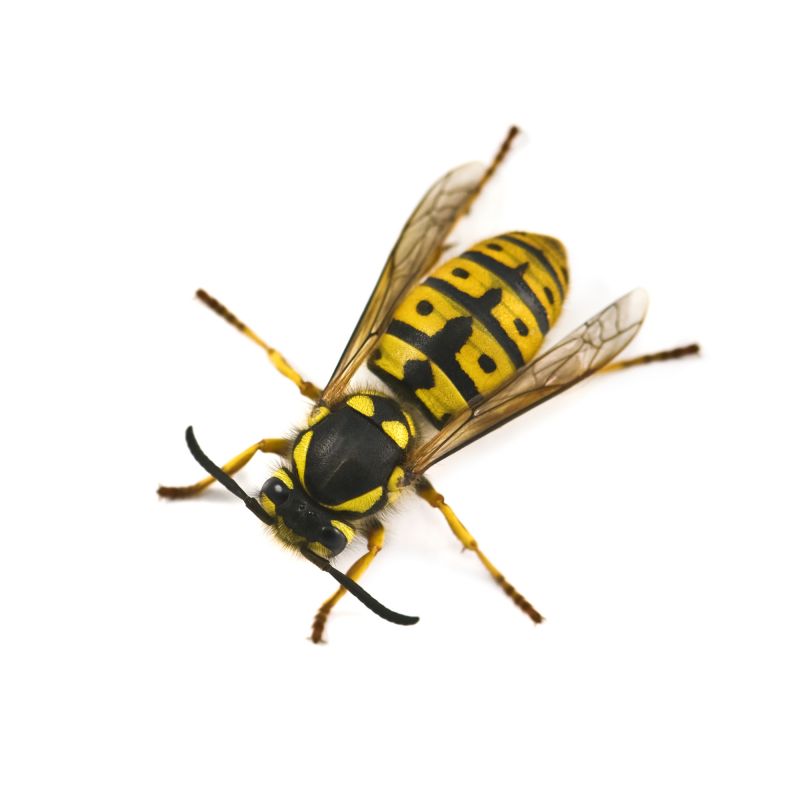
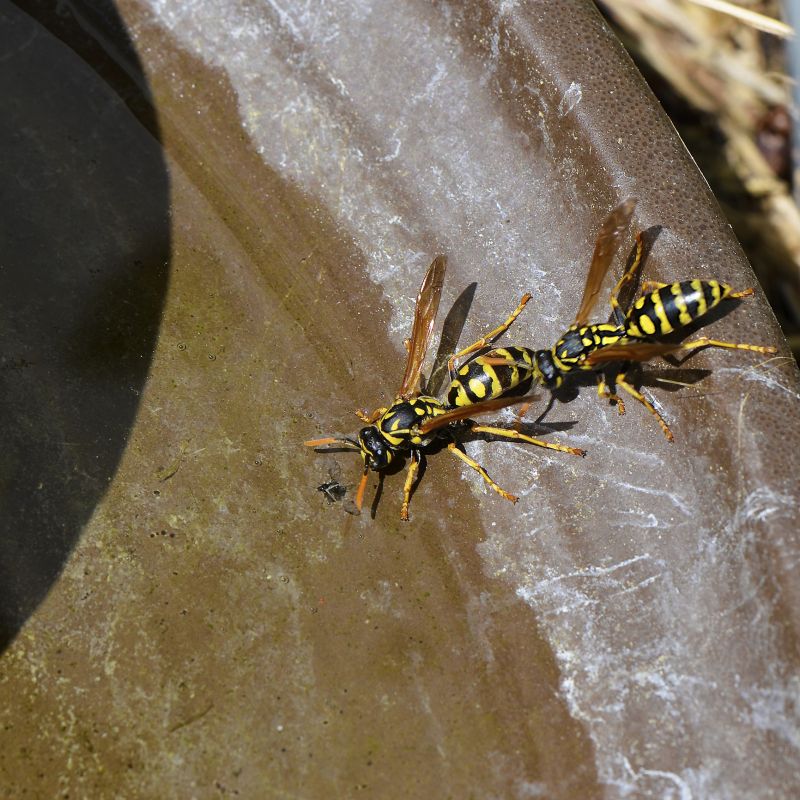
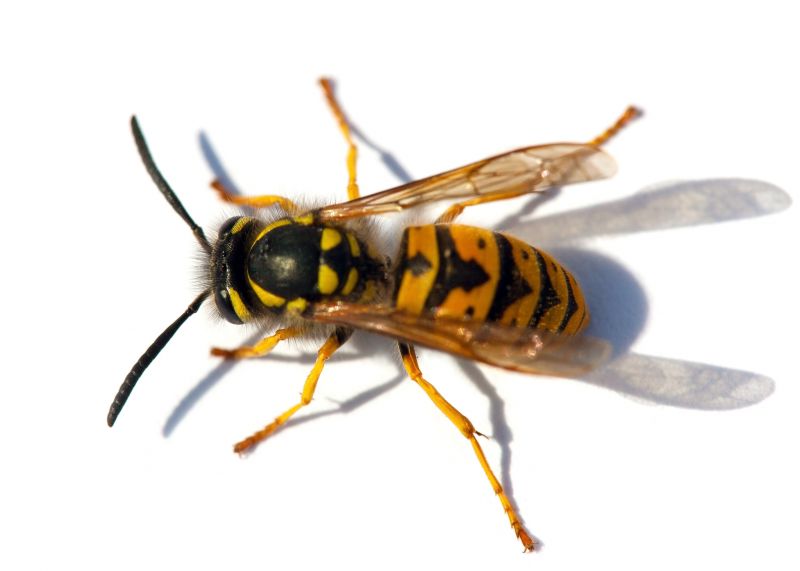
When people search for signs you have a wasp, hornet, or yellow jacket problem, they are usually trying to identify whether these stinging insects have established a nest on or near their property. Recognizing early warning signs can help homeowners prevent potential stings and property damage. This topic often relates to concerns about safety, especially for families with children or pets, as well as plans to eliminate the insects and prevent future infestations. Understanding common indicators allows homeowners to take timely action and seek assistance from local contractors who specialize in wasp, hornet, and yellow jacket treatments.
The signs of a wasp, hornet, or yellow jacket problem generally include visible nests, especially in hidden or hard-to-reach areas, such as under eaves, in wall voids, or on tree branches. Homeowners might notice increased activity around certain spots, particularly during late spring and summer when these insects are most active. Unusual buzzing sounds near vents or eaves can also indicate the presence of a nest. Recognizing these signs early can help property owners plan effective removal strategies and prevent the insects from becoming aggressive or building larger colonies.
These insects tend to choose properties with specific features that provide ideal nesting sites. Common property types include residential homes, especially those with overhanging roofs, decks, or porches. Commercial buildings, parks, and outdoor event spaces are also frequent locations for wasp, hornet, and yellow jacket nests. In addition, properties with abundant shrubbery, trees, or standing water may attract these insects, as they seek out suitable sites for nesting and sources of food. Knowing the typical property characteristics where these pests thrive can guide homeowners in inspecting their surroundings and seeking professional help to address infestations.
Understanding the signs you have a wasp, hornet, or yellow jacket problem helps homeowners connect with local service providers who specialize in removal and prevention. These professionals can accurately identify nests, assess the severity of the problem, and implement safe, effective treatment plans. Early detection through visual signs or activity patterns allows for targeted interventions that minimize risks and reduce the likelihood of future issues. When property owners recognize the warning signs and enlist local contractors, they can better protect their homes and outdoor spaces from these aggressive insects.
Pest inspection services - professionals who identify signs of wasp, hornet, or yellow jacket nests and help determine the severity of the problem.
Wildlife removal projects - involve safely eliminating stinging insect colonies and require planning similar to managing wasp, hornet, or yellow jacket issues.
Home sealing and exclusion - services that prevent insects from entering structures, which is essential when dealing with wasp and hornet entry points.
Yard cleanup and debris removal - help eliminate potential nesting sites and are often coordinated with pest control efforts for stinging insects.
Structural repair and damage fixing - address areas where nests may have caused damage, requiring similar planning as insect treatment services.
DIY pest control consultation - offers advice on identifying signs of stinging insect problems and when to seek professional help from local contractors.
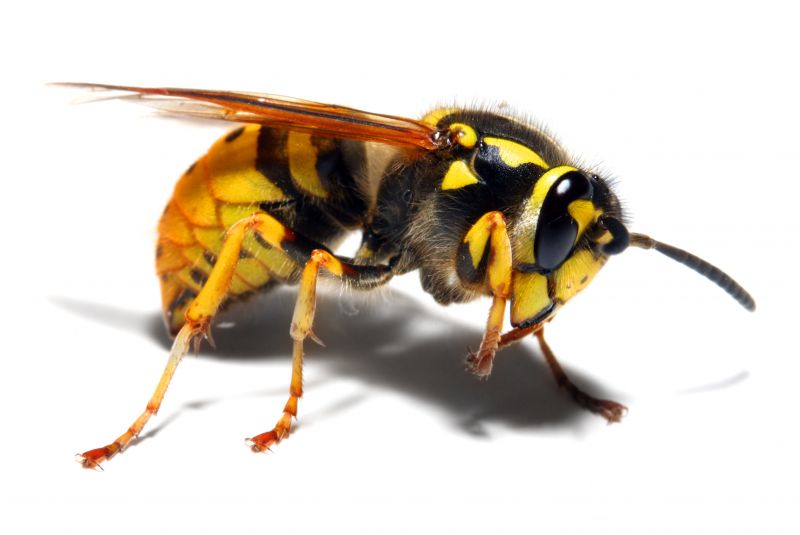
When evaluating service providers for wasp, hornet, or yellow jacket treatment, it’s important to consider their experience with similar projects. Homeowners should look for local contractors who have a proven track record of handling pest issues involving these insects, especially in residential settings. An experienced professional will be familiar with the behaviors and nesting habits of different species, which can lead to more effective and targeted treatment strategies. Asking about the types of jobs they have completed can help determine if they have the practical knowledge necessary to address the specific signs of an infestation in your home or yard.
Clear written expectations are essential when choosing a contractor for wasp, hornet, or yellow jacket removal services. Homeowners should seek providers who can provide detailed descriptions of what the treatment process entails, including any preparations needed beforehand and steps taken afterward. This transparency helps prevent misunderstandings and ensures that both parties are aligned on the scope of work. Additionally, reputable service providers often have references or reviews that can verify their ability to deliver on these expectations, giving homeowners added confidence in their choice.
Effective communication is a key factor in ensuring a smooth treatment process and satisfactory results. Homeowners should prioritize local contractors who are responsive to inquiries and willing to answer questions about the treatment approach, safety considerations, and potential follow-up services. Good communication also involves providing updates during the project and offering guidance on how to recognize ongoing signs of activity or new problems. Choosing a service provider who values clear, open dialogue can help homeowners feel more informed and confident throughout the process of addressing a wasp, hornet, or yellow jacket problem.
Property owners often search for signs you have a wasp, hornet, or yellow jacket problem when they are planning practical projects around their homes and businesses. Local pros provide Wasp, Hornet, or Yellow Jacket Treatment services for everyday jobs and straightforward project options.
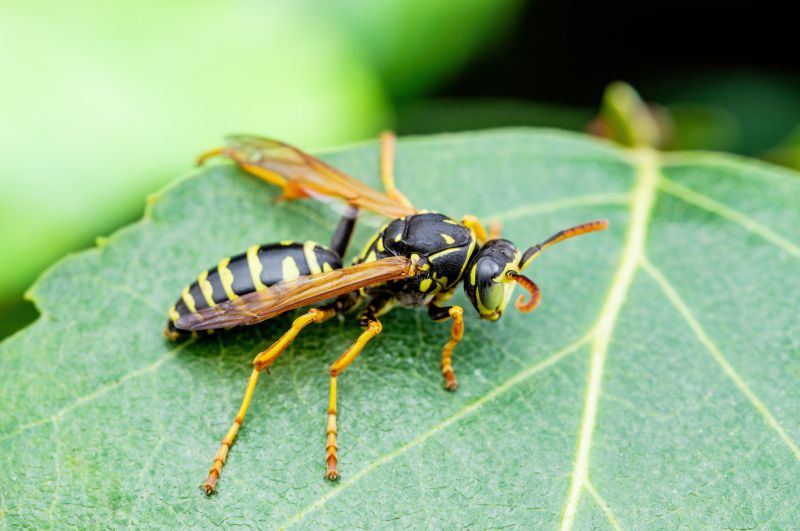
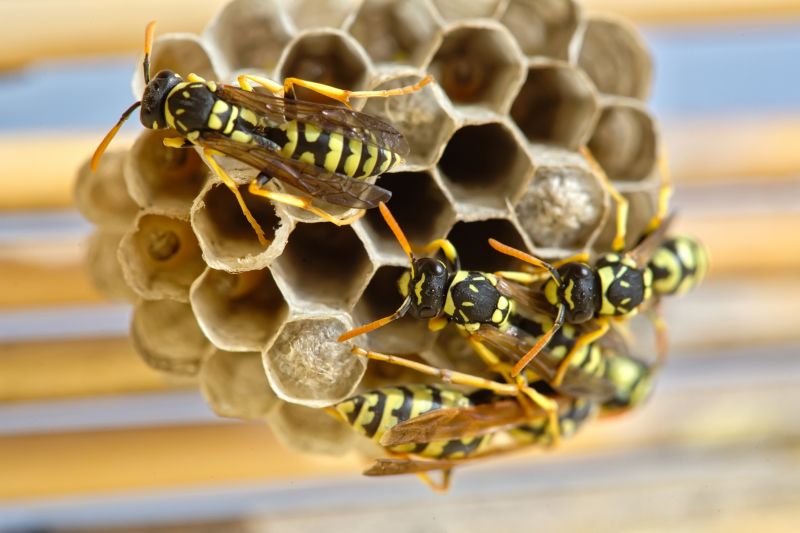
Identifying signs you have a wasp, hornet, or yellow jacket problem can be essential for maintaining a safe outdoor space. Common indicators include the presence of visible nests in eaves, shrubs, or on building exteriors, as well as increased activity of stinging insects around these areas. Property owners might notice frequent buzzing sounds near entry points or see insects gathering in specific spots, especially during warmer months. Recognizing these signs early can help prevent potential stings and property damage, prompting property owners to seek assistance from local contractors experienced in wasp, hornet, or yellow jacket treatment.
When signs point to an active wasp, hornet, or yellow jacket infestation, engaging with local service providers can be a practical step. These professionals can assess the situation, safely remove nests, and implement treatment strategies to reduce insect activity. Property owners often look for trusted local contractors who specialize in pest removal to ensure the problem is handled effectively and safely. Connecting with experienced local experts can help restore peace of mind and keep outdoor spaces safe for family and visitors.
What are common signs of a wasp, hornet, or yellow jacket problem? Visible nests, especially near eaves, sheds, or trees, and increased insect activity around your property are typical signs that local contractors can address.
How can I tell if I have an active wasp or hornet nest? Seeing wasps or hornets entering or leaving a specific area, along with buzzing sounds near a nest site, indicates an active infestation that service providers can handle.
Are there specific times when wasp, hornet, or yellow jacket problems are more noticeable? Increased activity during warmer months, particularly late summer and early fall, often signals a need for professional treatment from local contractors.
What should I do if I notice stinging insects around my home? Avoid disturbing the insects and contact local service providers who can safely assess and remove nests to prevent stings and further problems.
Can the presence of dead insects or nests on my property indicate a problem? Yes, finding abandoned nests or dead insects nearby can be signs of a previous or ongoing issue that local pros can help resolve.
Identifying nest locations - spotting large, papery or enclosed nests on eaves, trees, or in attics can help determine if professional removal is needed.
Observing insect activity - noticing frequent buzzing or aggressive behavior around certain areas indicates a potential wasp, hornet, or yellow jacket problem requiring expert treatment.
Recognizing stinging incidents - experiencing multiple stings or seeing wasps or hornets near your property suggests a nest nearby that local contractors can safely address.
Monitoring seasonal patterns - increased insect presence during warmer months may signal an emerging infestation that professionals can help control before it worsens.
If you are thinking about signs you have a wasp, hornet, or yellow jacket problem for a property, this guide is meant to help you understand this topic, the typical project types, and how different options might fit your plans.
When you are ready, you can use the quote form on this page to share a few details about your project. From there, local pros can review the basics and follow up with options that match what you have in mind.